










POWER INTERCONNECTIONS Hitachi Energy report calls for coordinated action to unlock the value of cross-border power interconnections
Related Vendors


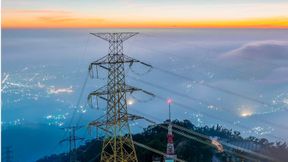
Electrification, AI, and energy security considerations are set to reshape the power system, as world leaders convene at COP31. A new Hitachi Energy report examines the role of cross-border electricity interconnections in the emerging energy landscape, as strategic infrastructure that can help countries share resources, enhance flexibility, and lower system costs as demand rises and renewable generation expands.
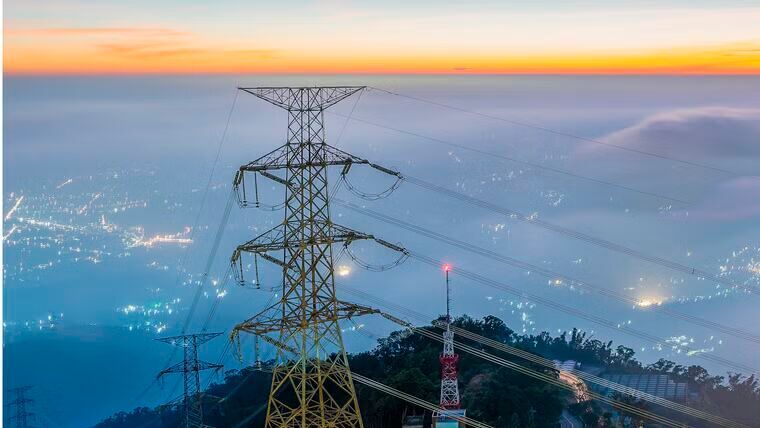
The report, Stronger Together: Cross-border Interconnections to Accelerate the Energy Transition, finds that interconnections can accelerate the energy transition by advancing all three dimensions of the energy trilemma simultaneously. They strengthen sustainability by connecting remote renewable sources to demand centers and displacing fossil-fuel generation, contribute to energy security through reserve sharing and emergency support, and improve affordability through access to lower-cost electricity and more efficient use of existing assets. The report also emphasizes that these benefits depend on conditions in both connected systems and on the arrangements governing cross-border trade.
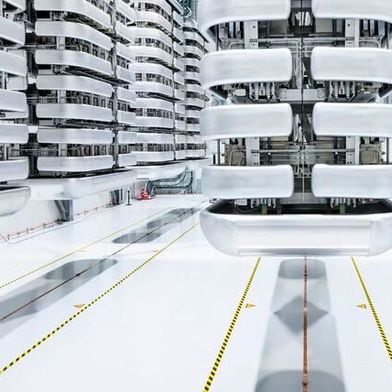
The report emphasizes the importance of accelerating the deployment of advanced technologies, as operating parameters of power systems change with progress in the energy transition. A new generation of power electronics solutions, including high-voltage direct current (HVDC) technologies for transmission, conversion, control, and protection is an essential foundation for new interconnections that integrate increasingly distant, dispersed, and dynamic generation sources.
At the same time, significant value can be unlocked through improved utilization of existing interconnections, with solutions such as Flexible AC Transmission Systems (FACTS), dynamic line rating, and AI-enabled line management. Drawing on examples from Europe, Southeast Asia, Latin America, North America, Africa, and the Gulf region, the report confirms that there is no single model for developing interconnections. Regional approaches reflect different power-system needs, market structures, financing conditions, and institutions—from bilateral power projects to regional power pools and shared transmission networks.
The report recommends governments, regulators, system operators, investors, and infrastructure developers:
- Plan interconnections early and across borders.
- Make projects investable and agree on how costs and benefits will be shared.
- Establish institutions, market rules, and technical standards alongside infrastructure and accelerate permitting processes.
- Strengthen domestic transmission networks for full utilization of cross-border capacity.
- Build security and resilience into interconnector design.
“Cross-border interconnections allow countries to share power resources, reducing the need for each country to invest in capacity to meet its own peak demand. This can strengthen resilience and security of supply, lower total system costs, and support the integration of more renewable power. The technologies are available today, but unlocking their full value requires coordinated planning, investment in domestic grids, and clear arrangements for sharing costs and benefits. When these elements come together, we can bring power to people and lasting value for connected countries.”, said Niklas Persson, CEO of Grid Integration Business Unit at Hitachi Energy.
(ID:51015923)