


:quality(80)/p7i.vogel.de/wcms/2f/f3/2ff3221bf7665de2d0acf83760bfd1fa/0130031523v2.jpeg "Wolfspeed presents a 300 mm silicon carbide technology platform designed to support advanced packaging and high-efficiency power delivery for AI data center infrastructure. (Source: Wolfspeed)")
:quality(80)/p7i.vogel.de/wcms/c3/16/c316e955a97f5d72d9678297b237b9e5/0129932858v2.jpeg "Left: the single-phase version of the SENTRON ECPD with RCM, right: a model of the future three-phase version of the SENTRON ECPD. (Source: Siemens)")
:quality(80)/p7i.vogel.de/wcms/ef/0a/ef0adb0acf793fe147cc27c21f6a7a67/0129954238v2.jpeg "Empower Semiconductor introduces embedded silicon capacitors designed to improve power delivery and stability in AI and high-performance computing processors. (symbolic image) (Source: © IF.arc - stock.adobe.com)")
:quality(80)/p7i.vogel.de/wcms/53/f9/53f9301dfc9292d02960f7996c79cc6e/0129927601v2.jpeg "Wolfspeed’s new 10 kV SiC MOSFET enables high-voltage power conversion for grid and industrial applications. (symbolic image) (Source: © CREATIVE- 3.4 - stock.adobe.com)")
:quality(80)/p7i.vogel.de/wcms/6e/cd/6ecd41d095d5111cf4ed37b714844487/0129930878v2.jpeg "PCIM Asia Shenzhen provides a platform for industry experts to present new developments in power electronics and electrification technologies. (symbolic image) (Source: © killykoon - stock.adobe.com)")
:quality(80)/p7i.vogel.de/wcms/02/c0/02c0e9722f70b1134dbf96fb59a9c73d/0129655179v2.jpeg "The PCIM Conference 2026 will take place from June 9-11, featuring discussions on power electronics trends, including GaN technology and AI applications. (symbolic image) (Source: © Elmira - stock.adobe.com)")
:quality(80)/p7i.vogel.de/wcms/cc/67/cc670ea2029cd2af5c641af70e1bf734/0129816392v4.jpeg "Fraunhofer IAF coordinates the EU SUPREME project to accelerate GaN and SiC power semiconductor innovation in Europe. (Source: Fraunhofer IAF)")
:quality(80)/p7i.vogel.de/wcms/ea/e6/eae6aee30071e67a5627027974437134/0129544613v2.jpeg "GlobalFoundries and Renesas strengthen their collaboration to support U.S.-based semiconductor production and supply chain resilience. (Source: © ronstik - stock.adobe.com)")
:quality(80)/p7i.vogel.de/wcms/b1/5e/b15ee02b0ba02db70cf61e37d66ad1d3/0129349127v2.jpeg "Vehicle-to-grid (V2G) chargers enable bidirectional energy flow, allowing electric vehicles to act as mobile energy storage systems that can both draw power from and feed power back into the grid. (Source: © medienvirus - stock.adobe.com)")
:quality(80)/p7i.vogel.de/wcms/26/d5/26d591cc340077026eac56a0e7564faf/0129949603v2.jpeg "Flexible: The solid silicone-based electrolyte is elastic, thereby compensating for the voids that form in solid-state batteries during charging and discharging. (Source: Empa)")
:quality(80)/p7i.vogel.de/wcms/4d/e0/4de02f76a37cbb3df30dd231de589c8e/0128866890v2.jpeg "Both legacy and vGaN show higher carrier mobility and band gap energies compared to other power semiconductors. (Source: © phonlamaiphoto - stock.adobe.com)")
:quality(80)/p7i.vogel.de/wcms/18/0b/180b7b63afc91e523592d8a5ce161c96/0129847487v2.jpeg "InGaAs-based photodetectors enable sensitive and fast detection in the short-wave infrared spectrum for modern sensing and communication applications. (Source: © VITALII - stock.adobe.com)")
:quality(80)/p7i.vogel.de/wcms/be/c8/bec8d43fc0ee73414274be44608b2970/0129748903v2.jpeg "The Infiniium XR804KA real-time oscilloscope delivers faster response time, improved stability, and streamlined workflows for high-speed digital and compliance testing. (Source: Keysight)")
:quality(80)/p7i.vogel.de/wcms/23/ee/23ee4a97790d6009dbfd7d9577ffa723/0129220424v2.jpeg "The R&S FPL1044 with the new RTSA option makes 40 MHz real-time frequency analysis available up to 44 GHz. (Source: Rohde & Schwarz )")
:quality(80)/p7i.vogel.de/wcms/3c/d1/3cd1cacbceb792ba63727199c61ca434/0127801860v2.jpeg "Thanks to cloud technology, users can collaborate on projects from anywhere and always have access to the latest planning data. (Source: SIEMENS)")
:quality(80)/p7i.vogel.de/wcms/5a/a0/5aa0436498af618297961fd54ab36cdf/0126290792v2.jpeg "Siemens accelerates student-led semiconductor innovation across Europe’s leading technical universities through Cre8Ventures’ Open Higher Education Program developed in collaboration with Arm and University of Southampton (Source: Siemens Digital Industries Software)")
CYBERATTACK Cybersecurity risk in power inverters
Related Vendors
:fill(fff,0)/p7i.vogel.de/companies/63/c7/63c7da97be945/diotec.png "diotec (Diotec Semiconductor AG)")
:fill(fff,0)/p7i.vogel.de/companies/61/dc/61dc0e8c2e420/dspace-logo-1000px-220107.png "dspace-logo-1000px-220107 (dSPACE GmbH)")
:fill(fff,0)/p7i.vogel.de/companies/68/2c/682c3e2e9a195/logotype-rvb.jpeg "logotype-rvb (https://www.mersen.com/en)")
Introduction of digital systems and AI in power electronics has made the industry vulnerable to cyberattacks. Hackers with an exceptional knowledge of electronics, along with networks and firmware, could carry out cyberattacks on power inverters. An optimal solution is to build a robust cyber defense network infrastructure, such that power electronic systems face no service interruptions. The article explains the relevance of cybersecurity in power inverters.
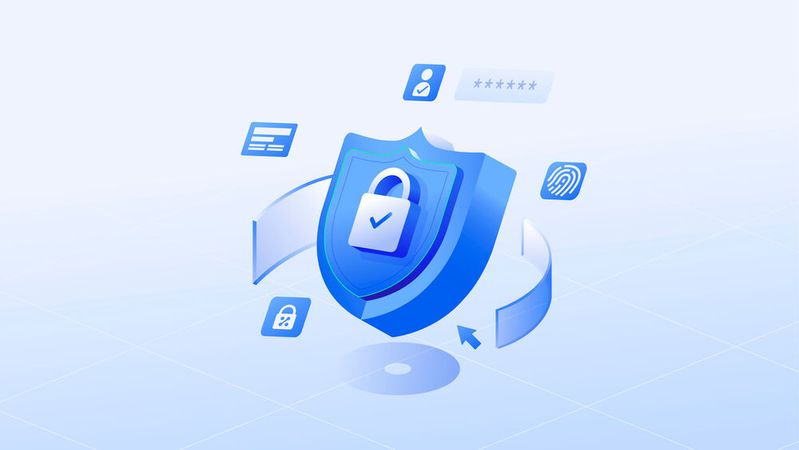
Every industry faces threats, whether in the form of cyber, physical, or cyber-physical attacks. Cases of cyberattacks in power electronic systems are witnessing a rise. Teams train to combat such attacks, preventing overall system failure. The section lists common security threats, including cyberattacks, in the power electronics industry.
Electricity theft
The most common threat in the power industry has always been electricity theft, which is punishable by law. Some consumers steal electricity from the providers or even from neighbors. On the other hand, some consumers can perform dynamic power abuse with smart meters.
Physical attacks
Legacy power electronic systems, whether in factories or as small devices in our homes, were prone to physical attacks. Thefts, system sabotage, tampering of circuits, and machine damage were things that could compromise the well-being of power electronic devices. For example, damaging a circuit breaker will eliminate the protective actions. However, such attacks are now rare.
Power cyber attacks
Some common cyberattacks in the power electronics industry include firmware attacks, software attacks, communications protocol tampering, sensor spoofing, control logic sabotage, and many more. One of the recent innovations is the integration of cryptocurrency wallets into electric vehicles, which further increases the risk of cyber attacks.
Targeting inverters
Inverters were earlier simple and heavy power devices that would convert DC to AC in our homes. During a power outage, inverters would help in powering home appliances. The rapid growth of renewable technologies has made solar inverters even more common. The grid has skyrocketed its sales.
:quality(80)/p7i.vogel.de/wcms/f9/29/f92903189bb36304a6bbc7ca5ba8e3fc/0117522391.jpeg "Read more about the differences between inverters and converters in this article. (Source: BORIS - stock.adobe.com)")
POWER ELECTRONICS
Inverter vs converter: What's the difference?
Smarter but not safer
Conventional inverters, including solar inverters, have become smarter. Smart inverters manage voltage and various other electrical parameters using digital communication. Smart inverters communicate with the service provider via SCADA systems (Supervisory Control and Data Acquisition). They are IoT-supported to notify customers about their electricity status.
As soon as two-way digital communication modules and app connectivity were available in smart inverters, the nature of attacks faced a 360-degree shift. Now, physical damage risks have suddenly turned “cyber”. Machine learning AI-based control mechanisms in smart inverters further accelerated cyberattacks. Decentralization of the grid is likely to increase such smart inverter attacks with its implementation.
What will hackers gain from smart inverters?
Hackers try to gain access to control systems in smart inverters. They may send false voltage or current-related commands to the network. As a result, false voltage, like overvoltage or undervoltage, could be injected into the smart inverter system.
DoS attack
Another type of attack is a DoS (Denial of Service), in which hackers send a large volume of dummy traffic to the smart inverter server. The processor becomes overloaded and unavailable to the owner. Even though inverters have built-in features to manage voltage changes, these attacks shut them down.
Chain cyberattacks
Smart inverters can sometimes increase the risk of cyberattacks if they are connected to social media or banking accounts of the customer. Such connectivity can initiate a chain of attacks on the personal information of the customer.
Ultimate motive
Most cybersecurity attacks on smart inverters are aimed at causing a power outage. The motive may be data theft, valuable theft, or invasion of privacy of the customer premises or factory. In some cases, hackers try to gain control over the grid of an entire area through smart inverter networks— making service providers (or governments) lose billions of dollars.
Safeguarding inverters
Smart inverters should be configured carefully with the help of a technician, as most people lack cyber awareness or expertise to deal with potential threats. A firewall supported by a strong router safeguards them.
Basic steps
A simple method to protect smart inverters at home is to use WiFi, VPN, or any other private network at home. To gain access to such a network, the attacker must be present in close proximity, which is very unlikely. Using cellular internet, IoT, or eSIM-based smart inverters increases the risk of cyber attacks.
- Using the 2.4 GHz frequency band instead of the new 5 GHz band is better in terms of compatibility with protocols and safety.
- Smart inverters should be regularly updated as per the manufacturer’s guidelines.
- Two-factor authentication and frequent password changing are also some basic cybersecurity solutions.
Cybersecurity defense
Cyber researchers collaborate with power electronic professionals to build robust cyber defense systems. Such cybersecurity algorithms and defense systems are first simulated using hardware-in-the-loop and digital twin models. These technologies provide scenario testing for various cyberattack use cases, ensuring reliability.
Most cyber algorithms are based on AI and ML to detect deviations from the standard range of electric parameters such as input voltage, output voltage, feeder voltage, current, power factor, and others. The greater the deviation, the greater the likelihood of a power cyberattack on the smart inverter. Once the anomaly is detected, smart inverters enter mitigation modes to combat the attack.
References
(ID:50512440)
:quality(80)/p7i.vogel.de/wcms/13/6f/136ff6c9ecd1ff056414c00b91e0e848/0125348209v2.jpeg "As AI accelerates cyberattacks, the future of power electronics hinges on safeguarding critical infrastructure from evolving digital threats. Learn more about this here. (Source: © MRSUTIN - stock.adobe.com)")
:quality(80)/p7i.vogel.de/wcms/40/3b/403bf07b783e7269d4475e111a084719/0126280451v2.jpeg "Smart meters can not only record energy consumption, but they can also communicate and analyze readings to boost the understanding of customers and simplify the job of utility companies. (Source: © Robert - stock.adobe.com)")