


:quality(80)/p7i.vogel.de/wcms/2f/f3/2ff3221bf7665de2d0acf83760bfd1fa/0130031523v2.jpeg "Wolfspeed presents a 300 mm silicon carbide technology platform designed to support advanced packaging and high-efficiency power delivery for AI data center infrastructure. (Source: Wolfspeed)")
:quality(80)/p7i.vogel.de/wcms/c3/16/c316e955a97f5d72d9678297b237b9e5/0129932858v2.jpeg "Left: the single-phase version of the SENTRON ECPD with RCM, right: a model of the future three-phase version of the SENTRON ECPD. (Source: Siemens)")
:quality(80)/p7i.vogel.de/wcms/ef/0a/ef0adb0acf793fe147cc27c21f6a7a67/0129954238v2.jpeg "Empower Semiconductor introduces embedded silicon capacitors designed to improve power delivery and stability in AI and high-performance computing processors. (symbolic image) (Source: © IF.arc - stock.adobe.com)")
:quality(80)/p7i.vogel.de/wcms/53/f9/53f9301dfc9292d02960f7996c79cc6e/0129927601v2.jpeg "Wolfspeed’s new 10 kV SiC MOSFET enables high-voltage power conversion for grid and industrial applications. (symbolic image) (Source: © CREATIVE- 3.4 - stock.adobe.com)")
:quality(80)/p7i.vogel.de/wcms/6e/cd/6ecd41d095d5111cf4ed37b714844487/0129930878v2.jpeg "PCIM Asia Shenzhen provides a platform for industry experts to present new developments in power electronics and electrification technologies. (symbolic image) (Source: © killykoon - stock.adobe.com)")
:quality(80)/p7i.vogel.de/wcms/02/c0/02c0e9722f70b1134dbf96fb59a9c73d/0129655179v2.jpeg "The PCIM Conference 2026 will take place from June 9-11, featuring discussions on power electronics trends, including GaN technology and AI applications. (symbolic image) (Source: © Elmira - stock.adobe.com)")
:quality(80)/p7i.vogel.de/wcms/cc/67/cc670ea2029cd2af5c641af70e1bf734/0129816392v4.jpeg "Fraunhofer IAF coordinates the EU SUPREME project to accelerate GaN and SiC power semiconductor innovation in Europe. (Source: Fraunhofer IAF)")
:quality(80)/p7i.vogel.de/wcms/ea/e6/eae6aee30071e67a5627027974437134/0129544613v2.jpeg "GlobalFoundries and Renesas strengthen their collaboration to support U.S.-based semiconductor production and supply chain resilience. (Source: © ronstik - stock.adobe.com)")
:quality(80)/p7i.vogel.de/wcms/b1/5e/b15ee02b0ba02db70cf61e37d66ad1d3/0129349127v2.jpeg "Vehicle-to-grid (V2G) chargers enable bidirectional energy flow, allowing electric vehicles to act as mobile energy storage systems that can both draw power from and feed power back into the grid. (Source: © medienvirus - stock.adobe.com)")
:quality(80)/p7i.vogel.de/wcms/26/d5/26d591cc340077026eac56a0e7564faf/0129949603v2.jpeg "Flexible: The solid silicone-based electrolyte is elastic, thereby compensating for the voids that form in solid-state batteries during charging and discharging. (Source: Empa)")
:quality(80)/p7i.vogel.de/wcms/4d/e0/4de02f76a37cbb3df30dd231de589c8e/0128866890v2.jpeg "Both legacy and vGaN show higher carrier mobility and band gap energies compared to other power semiconductors. (Source: © phonlamaiphoto - stock.adobe.com)")
:quality(80)/p7i.vogel.de/wcms/18/0b/180b7b63afc91e523592d8a5ce161c96/0129847487v2.jpeg "InGaAs-based photodetectors enable sensitive and fast detection in the short-wave infrared spectrum for modern sensing and communication applications. (Source: © VITALII - stock.adobe.com)")
:quality(80)/p7i.vogel.de/wcms/be/c8/bec8d43fc0ee73414274be44608b2970/0129748903v2.jpeg "The Infiniium XR804KA real-time oscilloscope delivers faster response time, improved stability, and streamlined workflows for high-speed digital and compliance testing. (Source: Keysight)")
:quality(80)/p7i.vogel.de/wcms/23/ee/23ee4a97790d6009dbfd7d9577ffa723/0129220424v2.jpeg "The R&S FPL1044 with the new RTSA option makes 40 MHz real-time frequency analysis available up to 44 GHz. (Source: Rohde & Schwarz )")
:quality(80)/p7i.vogel.de/wcms/3c/d1/3cd1cacbceb792ba63727199c61ca434/0127801860v2.jpeg "Thanks to cloud technology, users can collaborate on projects from anywhere and always have access to the latest planning data. (Source: SIEMENS)")
:quality(80)/p7i.vogel.de/wcms/5a/a0/5aa0436498af618297961fd54ab36cdf/0126290792v2.jpeg "Siemens accelerates student-led semiconductor innovation across Europe’s leading technical universities through Cre8Ventures’ Open Higher Education Program developed in collaboration with Arm and University of Southampton (Source: Siemens Digital Industries Software)")
SYSTEM ON CHIP TECHNOLOGY Intel targets automotive sector with AI-enabled SoC
Related Vendors
:fill(fff,0)/p7i.vogel.de/companies/60/7e/607ec89d5d9b5/white-frame.jpg "white frame.jpg (www.rohm.com)")
:fill(fff,0)/p7i.vogel.de/companies/61/dc/61dc0e8c2e420/dspace-logo-1000px-220107.png "dspace-logo-1000px-220107 (dSPACE GmbH)")
:fill(fff,0)/p7i.vogel.de/companies/68/00/6800eb0040fb9/cobalt-vertical-aligned-bold.png "cobalt-vertical-aligned-bold (CISSOID SA)")
Intel has developed automotive versions of its new AI PC chips in an attempt to challenge major competitors Nvidia and Qualcomm in the burgeoning vehicle microchips market.
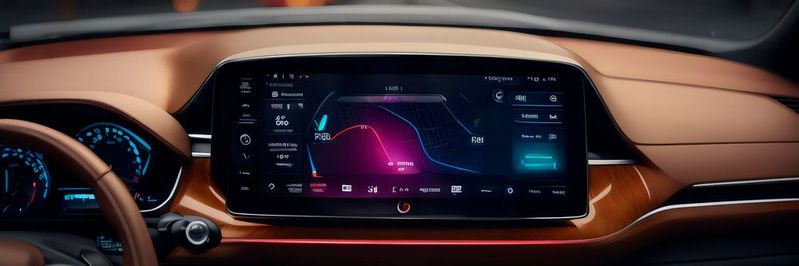
Intel said in early January that it plans to launch automotive versions of its newest AI-enabled chips, a move seen by many as challenging the likes of Qualcomm and Nvidia in a market for semiconductors that will power future cars and act as the brains behind infotainment software and complex dashboard displays. Intel has already built a presence in the market for vehicle infotainment systems, and its chips are currently installed in more than 50 million vehicles worldwide. However, the company falls behind market leaders such as Nvidia and Qualcomm.
A ‘whole vehicle’ approach
The company also announced its plans to acquire French start-up Silicon Mobility, which designs system-on-chip (SoC) technology for controlling electric vehicle motors and onboard charging systems.
Intel made these announcements at the Consumer Electronics Show in Las Vegas on January 9, the same day it unveiled a new Software-Defined Vehicle SoC that the company claims has been engineered to bring AI experiences into next-generation vehicles.
“Intel is taking a ‘whole vehicle’ approach to solving the industry’s biggest challenges. Driving innovative AI solutions across the vehicle platform will help the industry navigate the transformation to EVs,” said Jack Weast, vice president and general manager of Intel Automotive. “The acquisition of Silicon Mobility aligns with our sustainability goals while addressing a critical energy management need for the industry.”
:quality(80):fill(efefef,0)/p7i.vogel.de/wcms/65/69/6569f9912322b/202312-whitepaper-ametek-coverbild.png "202312_Whitepaper Ametek_Coverbild")
A versatile solution
Chinese electric vehicle (EV) maker Zeekr Co. Ltd., also a Nvidia customer, has been named by Intel as the first automaker to use Intel’s AI-enhanced software-defined vehicle SoCs. The company says it plans to create an “enhanced living room experience” in its vehicles by enabling video conferencing and AI voice assistant capabilities.
According to Weast, the new vehicle AI chips are based on the company’s AI PC technology. Still, they are distinct in that they will be adapted for in-vehicle applications' durability and performance requirements. In a bid to distinguish itself from the competition, Intel is positioning its AI-enabled SoC as a versatile solution that automakers can easily integrate across product lines, from entry-level vehicles to premium models. According to Weast, “If AI in the car means 500 watts… and God knows what costs… it’s not scalable,” alluding to Nvidia's potent yet costly products. It’s worth noting that Nvidia formed an alliance with Taiwan’s MediaTek last year, which is known for supplying technology for Android-based infotainment displays in lower-priced vehicles. Through the partnership, Nvidia aims to provide more cost-effective chipsets.
A battleground for chipmakers
China’s rapidly growing EV market will be a major chipmaker battleground, with Chinese vehicle manufacturers racing to offer advanced infotainment systems and automated driving capabilities. Whether current geopolitical tensions will impact Intel and Nvidia’s dealings with Chinese manufacturers remains to be seen.
(ID:49885752)
:quality(80)/p7i.vogel.de/wcms/e2/d6/e2d6eadc2e131f89909e587e7ff0f0c5/0126751999v2.jpeg "Between 2023 and 2025, the semiconductor industry experienced profound changes, propelled by AI innovations, with Nvidia's rapid ascent and industry-wide transformations redefining the landscape. (Source: © er - stock.adobe.com)")
:quality(80)/p7i.vogel.de/wcms/73/1b/731b2a2ed1082e7a4bc6971b76566475/0125343087v2.jpeg "In Q2 2025, the semiconductor industry saw unprecedented growth driven by AI demand, but it masked underlying structural strains and geopolitical challenges, setting the stage for a future where resilience is as vital as innovation. (Source: © Rhony - stock.adobe.com)")